
Hungary WWTP Aeration Upgrade with 2 × 22 kW Maglev Blowers
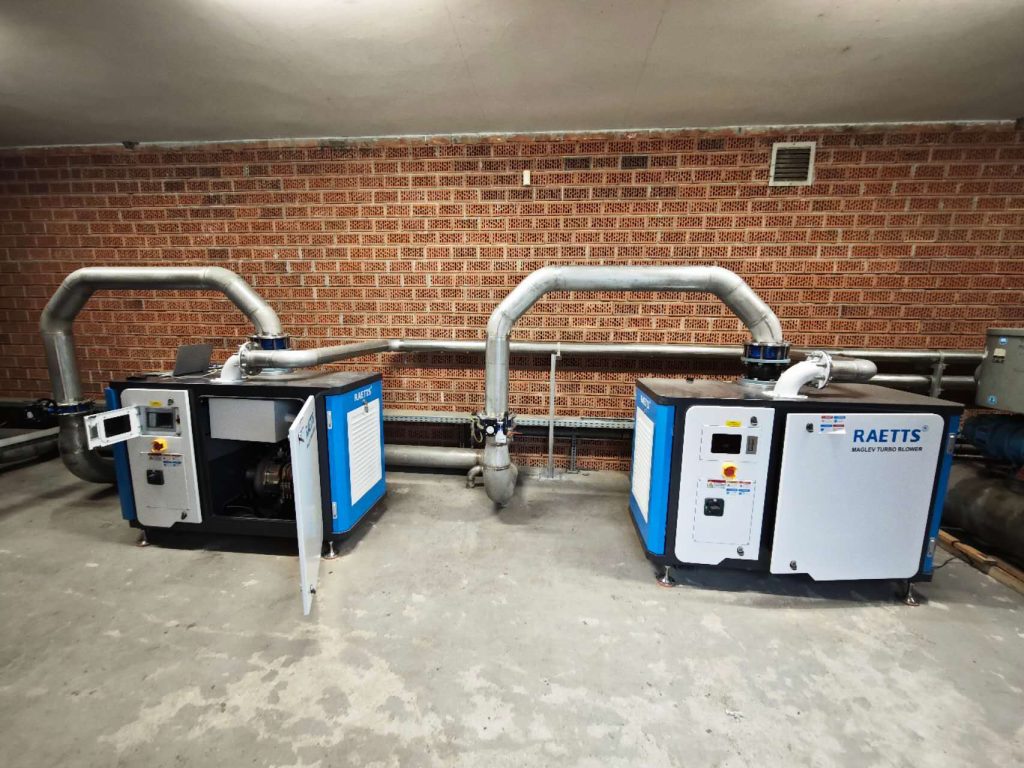
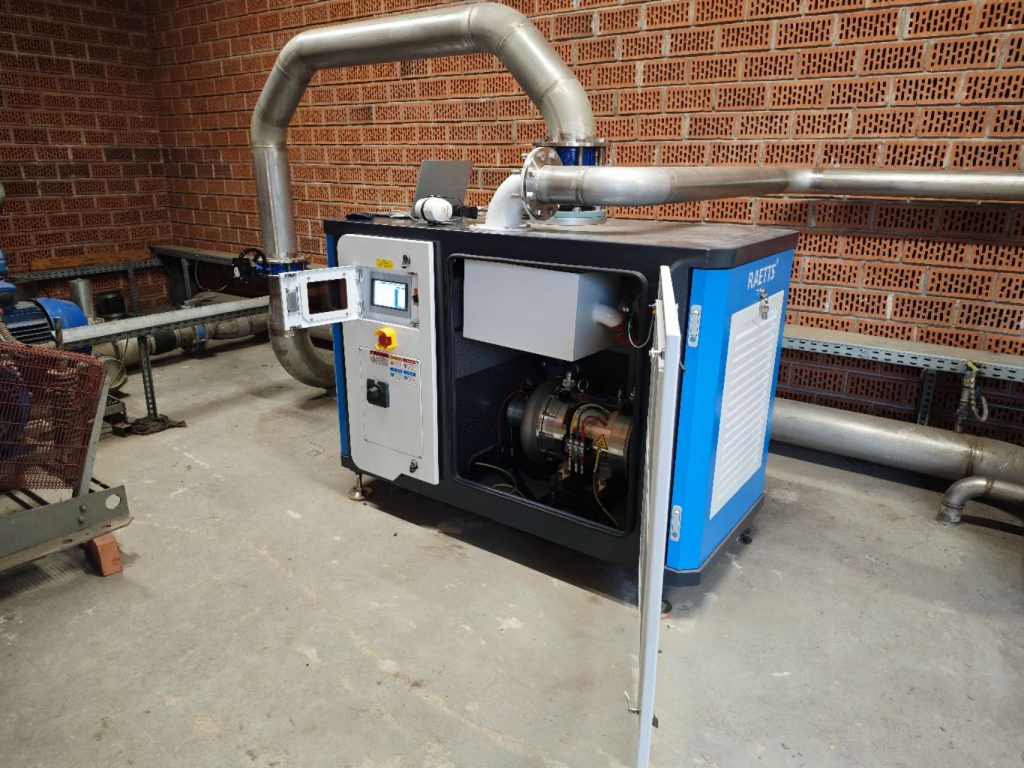
RAETTS recently completed an aeration system upgrade at a wastewater treatment plant in Mezőkovácsháza, Hungary. The plant installed two 22 kW maglev turbo blowers to replace conventional blower technology and improve long-term operational performance.
For most wastewater treatment plants, aeration represents the largest share of total electricity consumption. At the same time, blower instability, vibration, and maintenance workload often create hidden operational costs. This project was not only about efficiency — it was about reducing operational risk.
The Challenge: Efficiency, Stability, and Maintenance
The existing blower system was operating reliably but required regular mechanical servicing. Oil systems, transmission components, and vibration management added ongoing maintenance work. Noise levels also affected the working environment.
Like many WWTP operators across Europe, the plant sought a solution that could:
-
Improve energy efficiency
-
Deliver stable airflow under varying loads
-
Reduce routine maintenance
-
Lower noise and vibration
-
Provide long service life with predictable costs
The Solution: Magnetic Levitation Turbo Blower Technology
The plant selected two 22 kW RAETTS maglev turbo blowers.
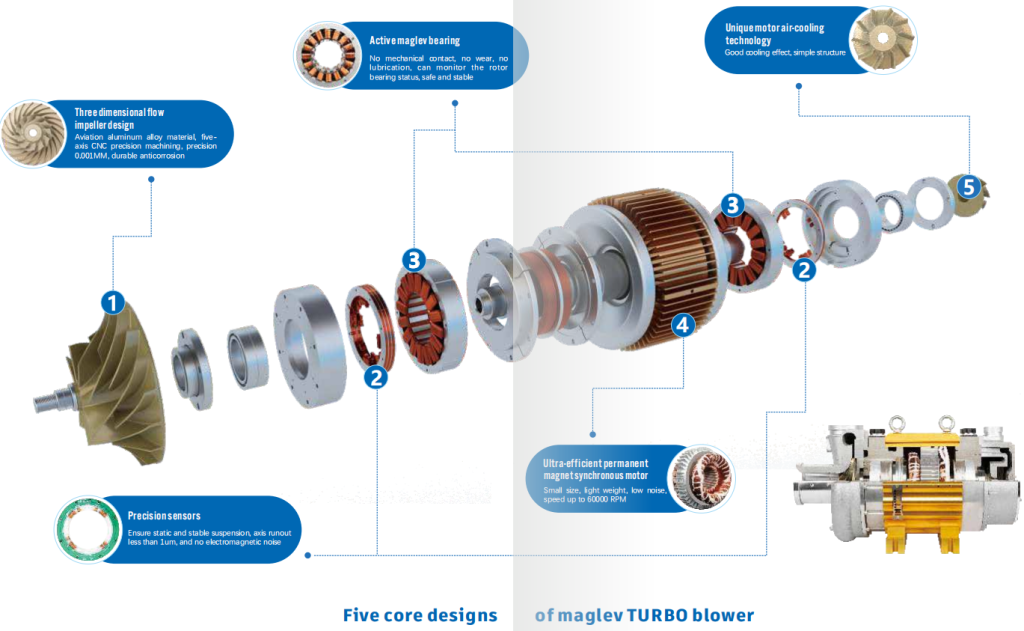
Maglev technology uses oil-free, contact-free magnetic bearings. The impeller rotates without mechanical friction, eliminating gears, belts, and lubrication systems. This fundamental design difference directly improves reliability and efficiency.
Because there is no physical contact in the bearing system, vibration is significantly reduced. The blower operates smoothly and maintains stable airflow output, which is essential for consistent dissolved oxygen control in biological treatment processes.
Key Benefits Delivered
1. High Energy Efficiency
Maglev turbo blowers are recognized as one of the most efficient blower types available for wastewater aeration. Continuous operation under optimized load conditions allows plants to reduce electricity consumption over the long term.
For facilities running 24/7, even incremental efficiency gains generate substantial cost savings over the equipment lifecycle.
2. Stable and Intelligent Operation
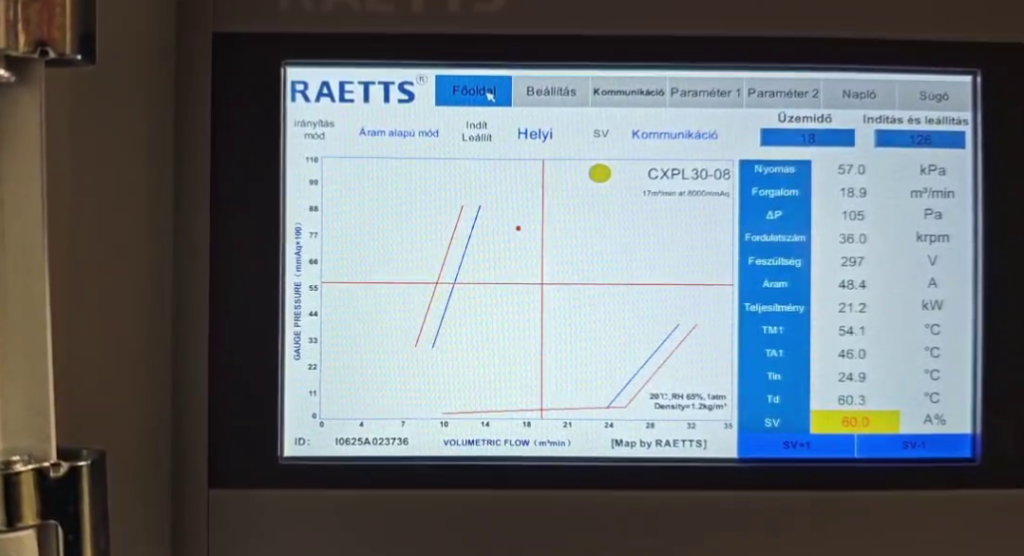
Advanced control systems allow precise adjustment according to process demand. Stable airflow reduces aeration fluctuations and supports consistent biological treatment performance.
Operators often value this stability even more than pure energy savings.
3. Minimal Maintenance
Without oil lubrication, belts, or gear transmission, maintenance requirements are greatly reduced. Routine service is typically limited to air filter replacement.
This lowers annual maintenance cost and reduces unexpected downtime risk — an important factor for municipal wastewater facilities.
4. Low Noise and Low Vibration
Operating at approximately 80 dB, the installed units significantly improve the working environment compared to many traditional blower systems.
Low vibration also simplifies installation and eliminates the need for complex foundation reinforcement.
5. 20+ Year Design Life
Maglev turbo blowers are designed for long-term continuous duty. With minimal mechanical wear components, the expected service life exceeds 20 years, offering predictable lifecycle cost and long-term operational reliability.
Considering a Blower Upgrade?
The Mezőkovácsháza project demonstrates how upgrading aeration technology can simultaneously improve efficiency, stability, and maintenance performance.
If your wastewater treatment plant is evaluating blower replacement or planning an aeration system upgrade, maglev technology offers a practical and future-ready solution.
For technical discussions, performance comparison, or project evaluation support, feel free to contact RAETTS. Our engineering team can help assess whether maglev turbo blowers are the right fit for your facility.
WhatsApp: +86 137 1270 2424